


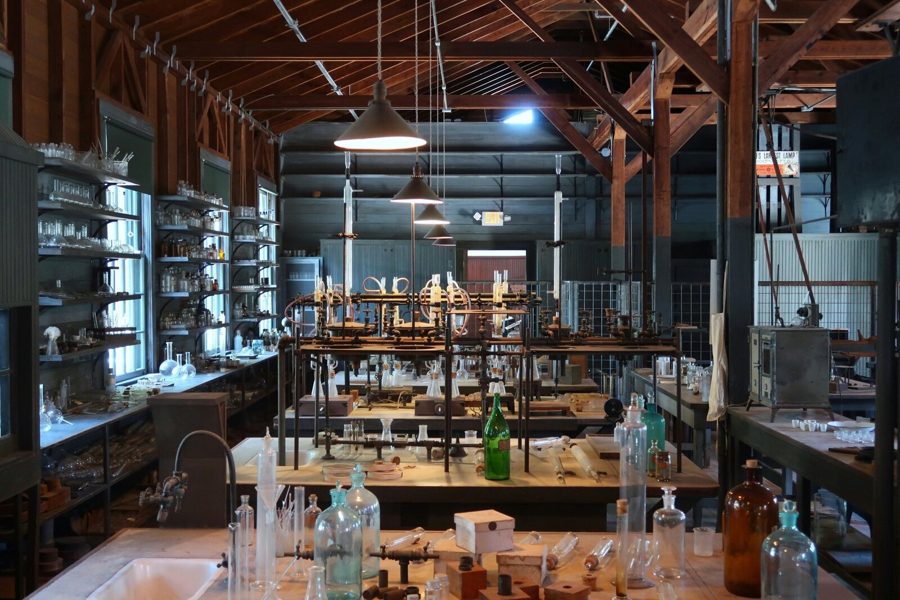
Charas and Nepalese CBD: Hand-Rolled Resin
Discover charas and Nepalese CBD resin, their traditional process, unique texture, and differences with sifted hash.
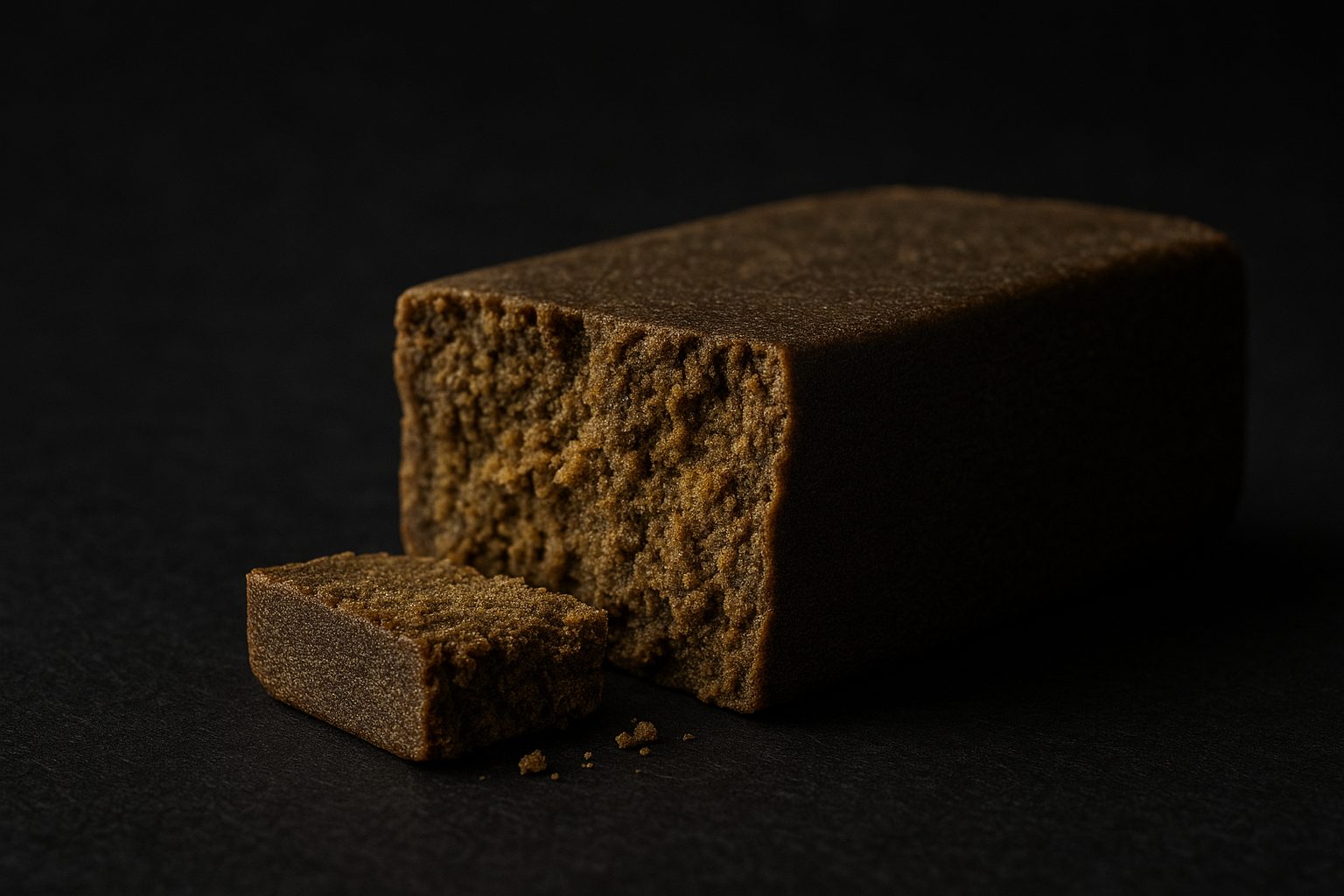
Introduction to Charas and Nepalese Resin
Charas and Nepalese CBD resin represent centuries-old traditions in cannabis culture. Handcrafted, this resin stands out for its artisanal process and unique characteristics. In this article, we will explore these production methods, the resulting textures, and how they compare to more common sifted hash.
The Traditional Manufacturing Process
The making of charas is an art in itself. This process begins with the harvesting of cannabis flowers, usually during the flowering period when the trichomes are at their peak. Here are the key steps:
- Hand Harvesting: Producers hand-pick the cannabis flowers, ensuring that the trichomes are not damaged.
- Rubbing: The flowers are then rubbed between the hands, releasing a sticky and aromatic resin.
- Collection of the Resin: The resin is carefully collected and formed into balls or sticks.
This artisanal process, often carried out at high altitudes in the Himalayas, gives charas a rich aroma and a unique texture.
Sensory Characteristics
Charas and Nepalese resin are distinguished by their sensory characteristics. Here is a comparative table of textures and aromas:
| Characteristic | Charas | Nepalese Resin |
|---|---|---|
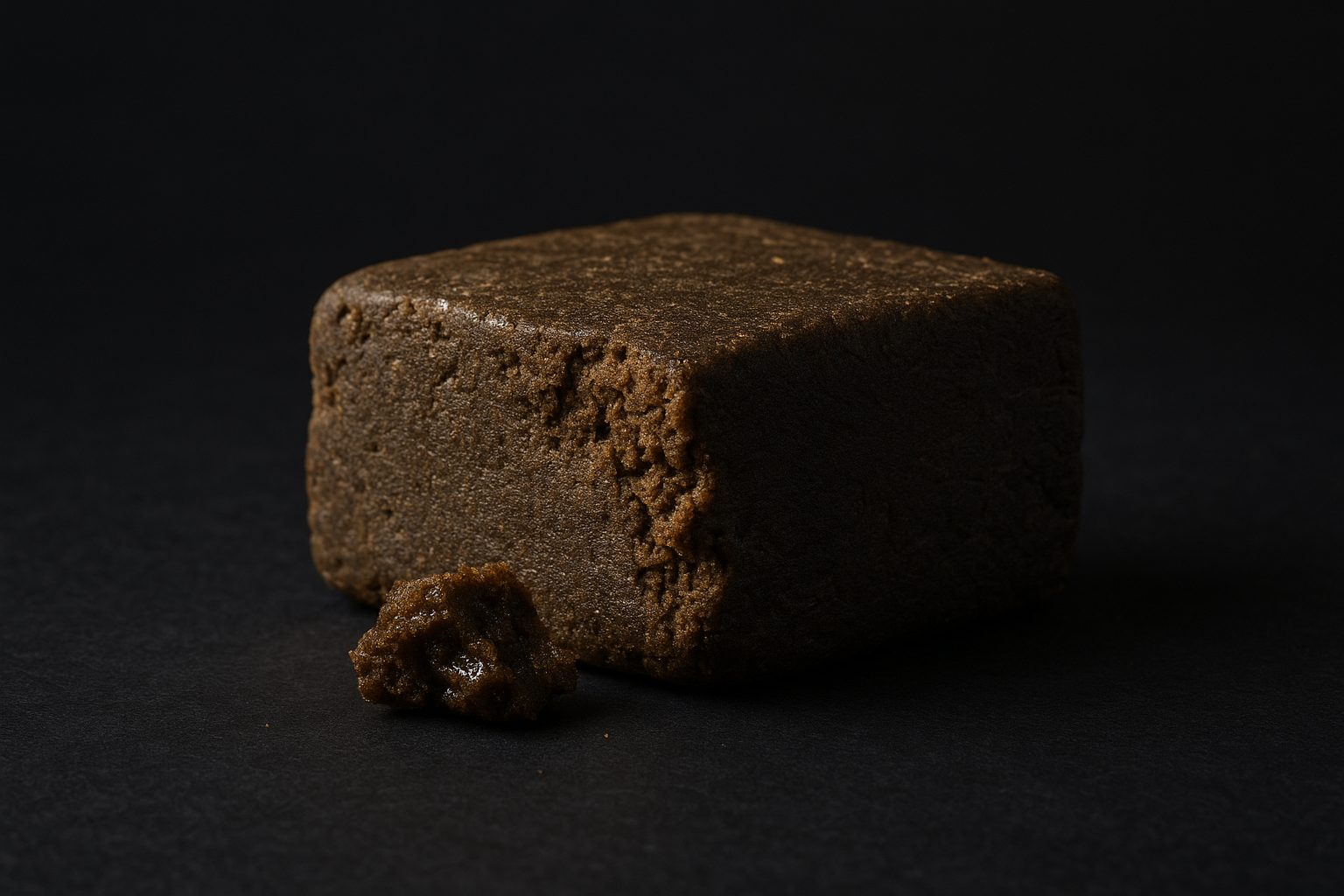
| Texture | Sticky, pliable | Grainy, sometimes compact |
| Color | Dark brown to black | Golden yellow to brown |
| Aroma | Fruity, spicy | Earthy, floral |
These characteristics make charas a popular choice for those seeking an authentic and flavor-rich experience.
Differences with Sifted Hash
Although charas and sifted hash have similarities, several aspects differentiate them:
- Manufacturing Process: Sifted hash is produced by sifting plant material, while charas is rolled by hand.
- Texture: Charas retains a softer texture, whereas sifted hash can be harder due to its extraction process.
- Aromatic Profile: Charas often offers more complex aromas, while sifted hash presents more uniform flavors.
Uses and Practical Tips
Charas and Nepalese CBD resin can be used in several ways. Here are some tips:
- Infusion: Ideal for creating flavorful infusions. Crumble a small amount and let it steep in hot water.
- Vaporization: For a purer experience, vaporization is recommended. Use a suitable vaporizer to preserve all the aromas.
- Collection: Due to their rarity, these resins are also prized by collectors.
Conclusion
Charas and Nepalese CBD resin are jewels of cannabis culture, offering a unique sensory experience thanks to their traditional manufacturing process. Whether you are a fan of rich flavors or a collector, these resins are worth discovering without hesitation.
Q: What is the THC content in charas and Nepalese CBD resin?
A: The charas and Nepalese CBD resin offered by Maison Résine comply with French legislation, with a THC content of less than 0.3%.
Q: Can charas be used for infusions?
A: Yes, charas is perfectly suited for infusion, offering a unique tasting experience.
Q: What is the difference between charas and sifted hash?
A: Charas is rolled by hand, while sifted hash is extracted by sifting, which influences their texture and aroma.
Q: How to store charas?
A: Store it in a cool, dry place, away from light to preserve its aromas.
To learn more about our products, check out our categories: Resins, CBD Hash, CBD, CBN, CBG, CBC. Also discover our guides like How to read a CBD analysis report or From flower to resin: our process.
Every resin ships with its lab report. Find the one that suits you.
Discover the resins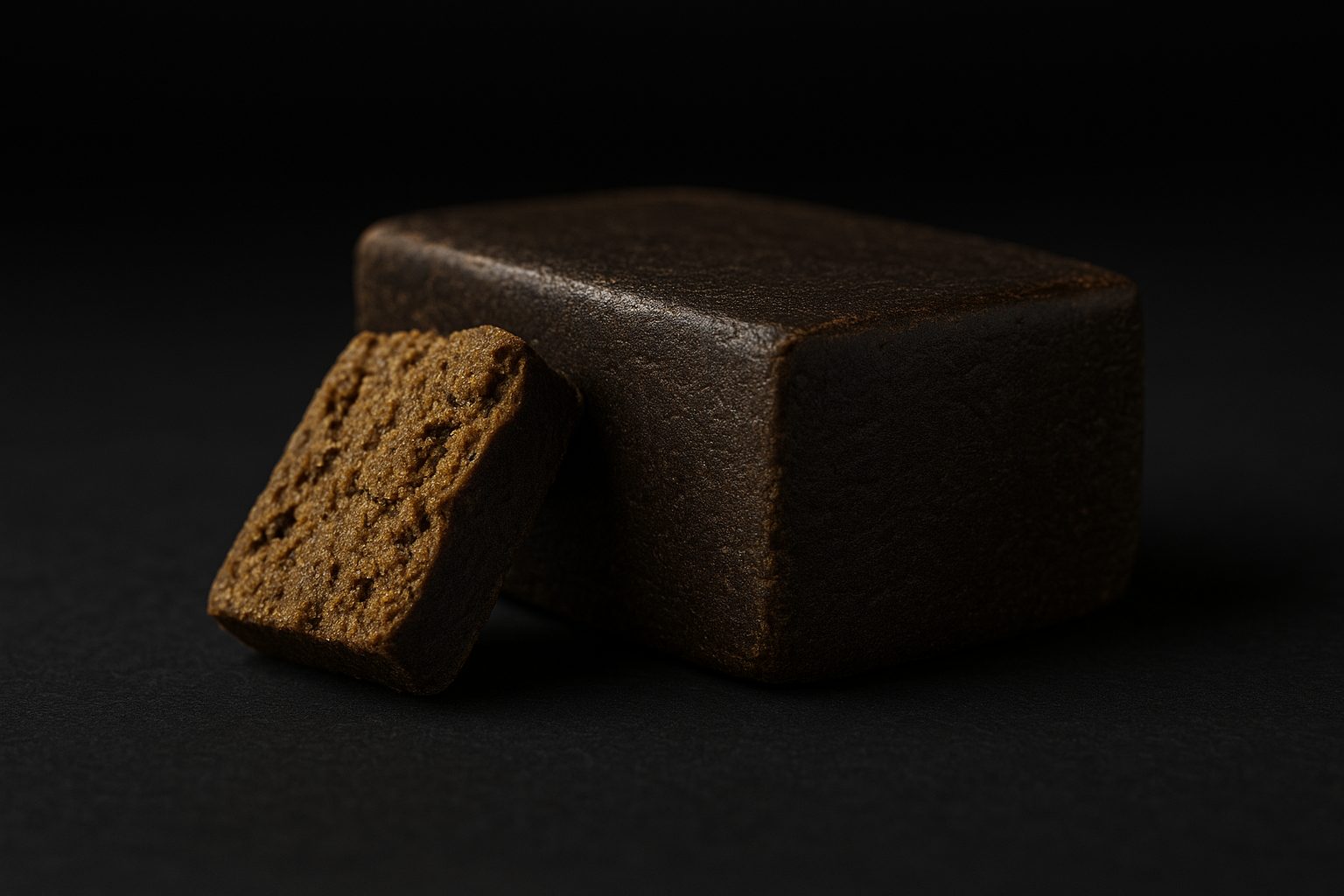
Guides, processes and new resins, straight to your inbox. No spam, unsubscribe in one click.