


CBD Resin: Reading the Lab Report
Lab-grade CBD resin: decode a lab report (CBD content, THC ≤ 0.3%, pesticides, solvents) to buy a reliable resin with confidence.
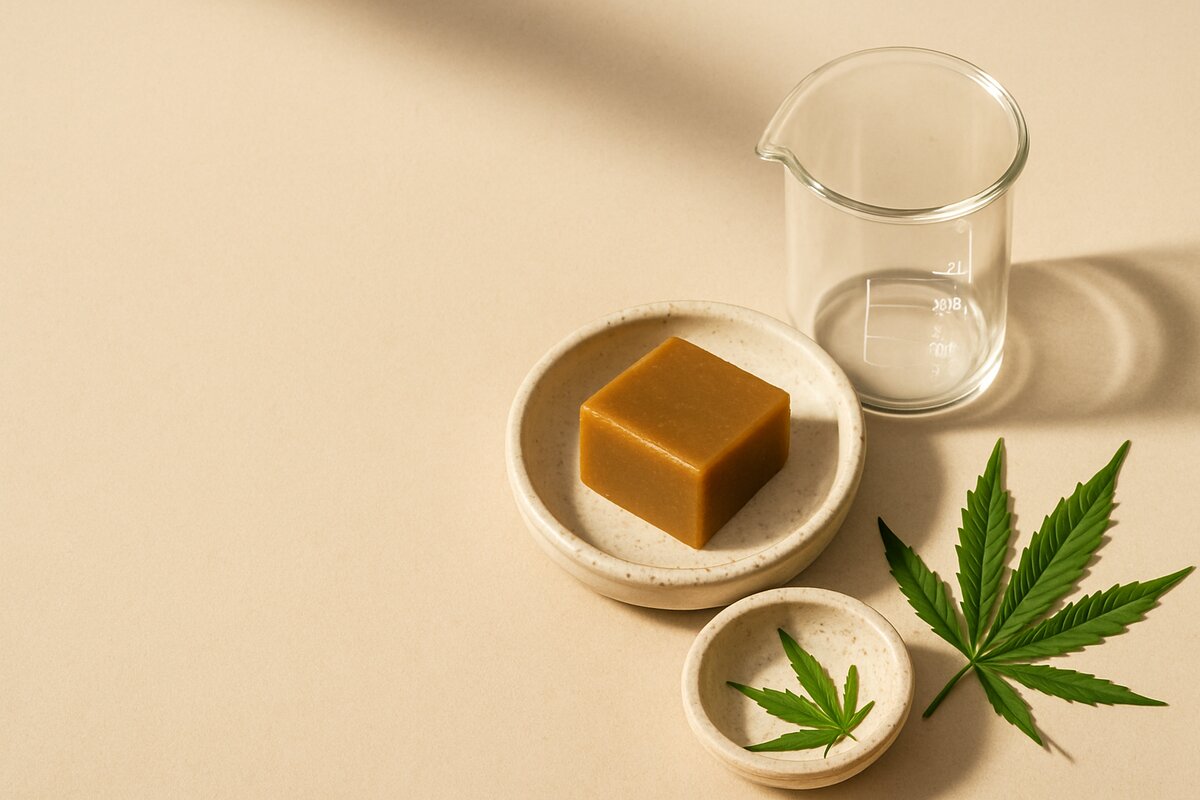
Even before appreciating the woody scent of a hash or the melting texture of a sift, one document should catch your attention: the lab report. At a serious laboratory, a lab-grade CBD resin is never a marketing promise, it is a numbered, dated and signed PDF file. Knowing how to read it means moving from the status of buyer to that of connoisseur able to tell a reliable resin from an opaque product. This guide decodes, line by line, what a lab-tested CBD resin reveals and why this reflex changes everything at the moment of choosing.
At Maison Résine, every batch goes to an independent laboratory before being offered for sale. Here is how to interpret these results like a professional, and spot at a glance the signals of real quality.
Why a lab-grade CBD resin is a mark of seriousness
A resin, or hash, concentrates the compounds of the hemp plant. This concentration is precisely what makes analysis indispensable: what is present in the raw material is found, amplified, in the finished product. A lab report, often called a certificate of analysis or COA (Certificate of Analysis), is the only document that objectively attests to the composition of a batch.
It answers three essential questions:
- Legal compliance: does the THC content respect the French threshold of 0.3%?
- Composition: what is the real cannabinoid profile (CBD, CBN, CBG)?
- Purity: is the product free of pesticides, heavy metals, solvents and microbiological contaminants?
Without this document, a seller is asking for your blind trust. With it, you have verifiable proof. To go further on the method, our dedicated guide how to read a CBD lab report details each section step by step.
The cannabinoid profile: reading a resin's CBD content
This is the most consulted section, and often the most misunderstood. The resin CBD content is expressed as a percentage of the total mass. A resin at 25% CBD contains 250 mg of CBD per gram; a resin at 80% contains 800 mg. This figure reflects the concentration achieved by the extraction process and the quality of the raw material.
A complete report is not limited to CBD. It details the whole profile:
| Cannabinoid | What it indicates | Reading on the report |
|---|---|---|
| CBD / CBDA | Main concentration of the product | Highest value, in % |
| THC / THCA | Legal compliance | Must stay ≤ 0.3% |
| CBN | Marker of maturity and oxidation | Present in small proportion |
| CBG | Richness of the plant's profile | Traces to a few % |
A detailed profile, where several cannabinoids are quantified, signals a plant worked with care and a rigorous laboratory. Conversely, a report that mentions only CBD, without the rest, remains incomplete. You will find these profiles displayed in full transparency on every page of our resin collection.
The THC ≤ 0.3% threshold: the line to check first
In France, a CBD resin is legal on the strict condition that its THC content does not exceed 0.3%. It is the first value to look for on the report, usually in the "Total THC" or "Δ9-THC" column. A compliant batch shows a figure at or below this threshold, often well below.
A THC-free CBD resin — meaning one whose content is nil or below the detection threshold — represents a reassuring choice for many enthusiasts. Our Ketama 25% CBD THC-free illustrates this requirement: a balanced profile, a controlled THC content, and a report that proves it. If a seller cannot show you this line, consider the information missing.
Purity: pesticides, heavy metals, solvents and microbiology
This is the part of the report that hurried buyers skim over, even though it distinguishes a genuinely clean resin from a dubious product. An additive-free CBD resin is demonstrated here, in black and white.
- Pesticides: hemp cultivation can leave residues. A good report screens for them and shows "not detected" or values below the regulatory limits.
- Heavy metals: hemp absorbs metals from the soil (lead, cadmium, arsenic, mercury). Their control attests to raw material grown on clean ground.
- Residual solvents: depending on the extraction method, traces of solvents may remain. A resin obtained mechanically, like a sift, naturally limits this risk.
- Microbiology: yeasts, moulds and bacteria are screened for to guarantee sound preservation.
A premium resin like our Frozen Sift 80% CBD is based on a cold mechanical extraction process, without solvent, which reads directly on the report. To understand how raw material becomes a pure resin, discover our article from flower to resin: our process.
How to spot a reliable resin before buying
A lab report is only worth something if it is authentic and recent. Here is the method of a savvy buyer:
- Check the date and batch number: the report must correspond to the exact batch you are buying, not to an earlier one.
- Identify the laboratory: an independent, named organisation, ideally accredited, inspires more confidence than an "in-house" analysis.
- Check the consistency: the content shown on the product page must match the report.
- Demand transparency: if the document is not accessible or provided on request, that is a warning signal.
The differentiator of a French laboratory lies precisely there: complete traceability, systematic testing and a process mastered from start to finish, on French soil. It is not an argument, it is a chain of control that you can check yourself, batch after batch.
Does a high CBD content mean a better resin?
Not necessarily. The content reflects the concentration, but quality also depends on the full cannabinoid profile, the purity (absence of contaminants) and the finesse of the extraction process. An impeccable 25% resin can be preferable to an opaque 80% one.
Where can you find the lab report of a CBD resin?
A serious seller makes the certificate of analysis available, on the product page or on simple request. The absence of this document is reason enough to give up on a purchase.
What does "THC not detected" mean on a report?
It means the THC content is below the detection threshold of the measuring instrument, so far below the legal limit of 0.3% applicable in France.
Is a lab-tested CBD resin necessarily legal in France?
The analysis demonstrates it if the THC content is ≤ 0.3%. Sales are restricted to adults. The report is precisely the tool that lets you verify this compliance.
Reading a lab report is not reserved for experts: it is a simple reflex that protects your purchase and rewards rigorous producers. A lab-grade CBD resin is recognised by its total transparency — detailed profile, controlled THC, demonstrated purity. Browse our collection of lab-tested resins, consult each report, and find all our answers in the FAQ. The right product is the one that has nothing to hide.
Every resin ships with its lab report. Find the one that suits you.
Discover the resins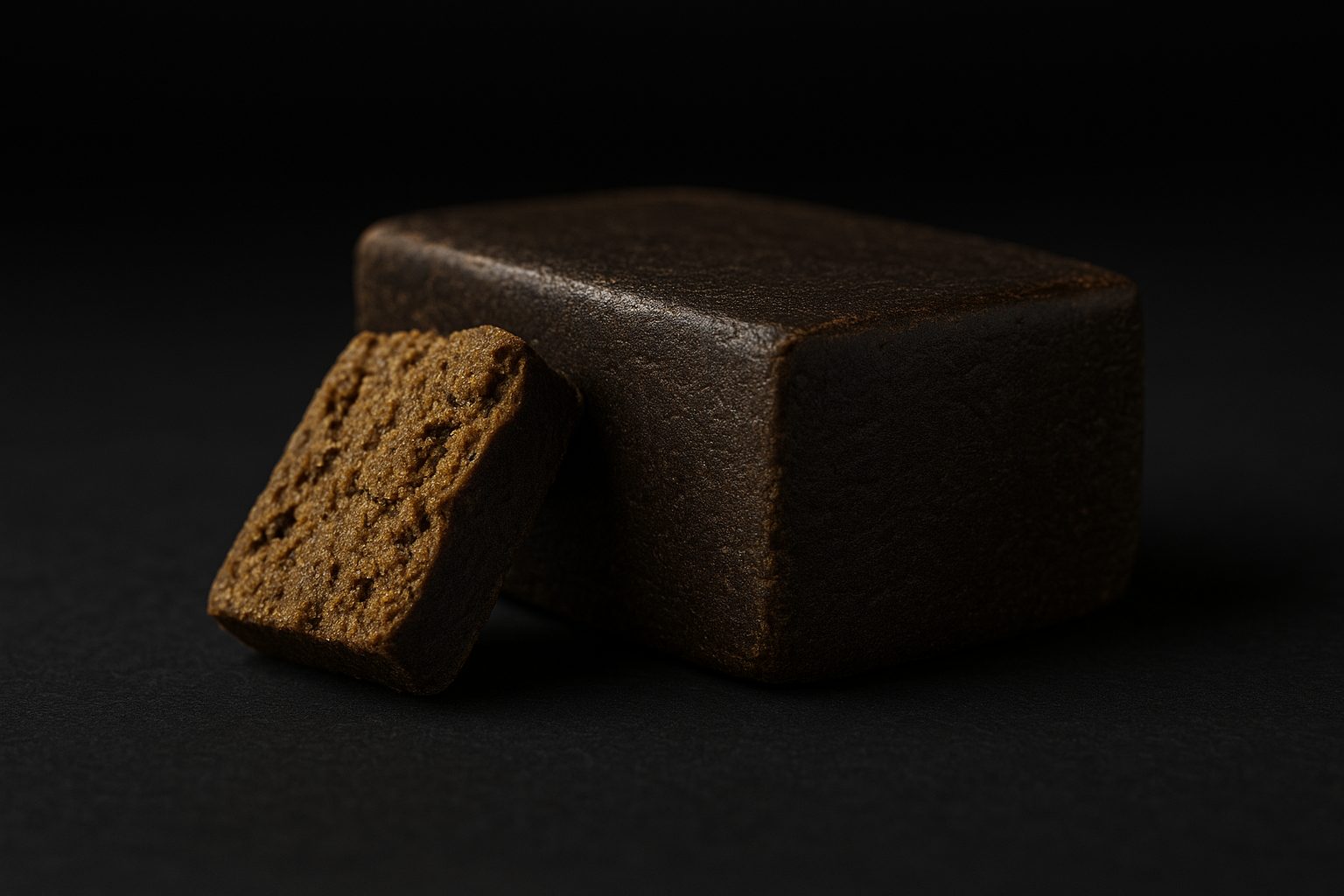
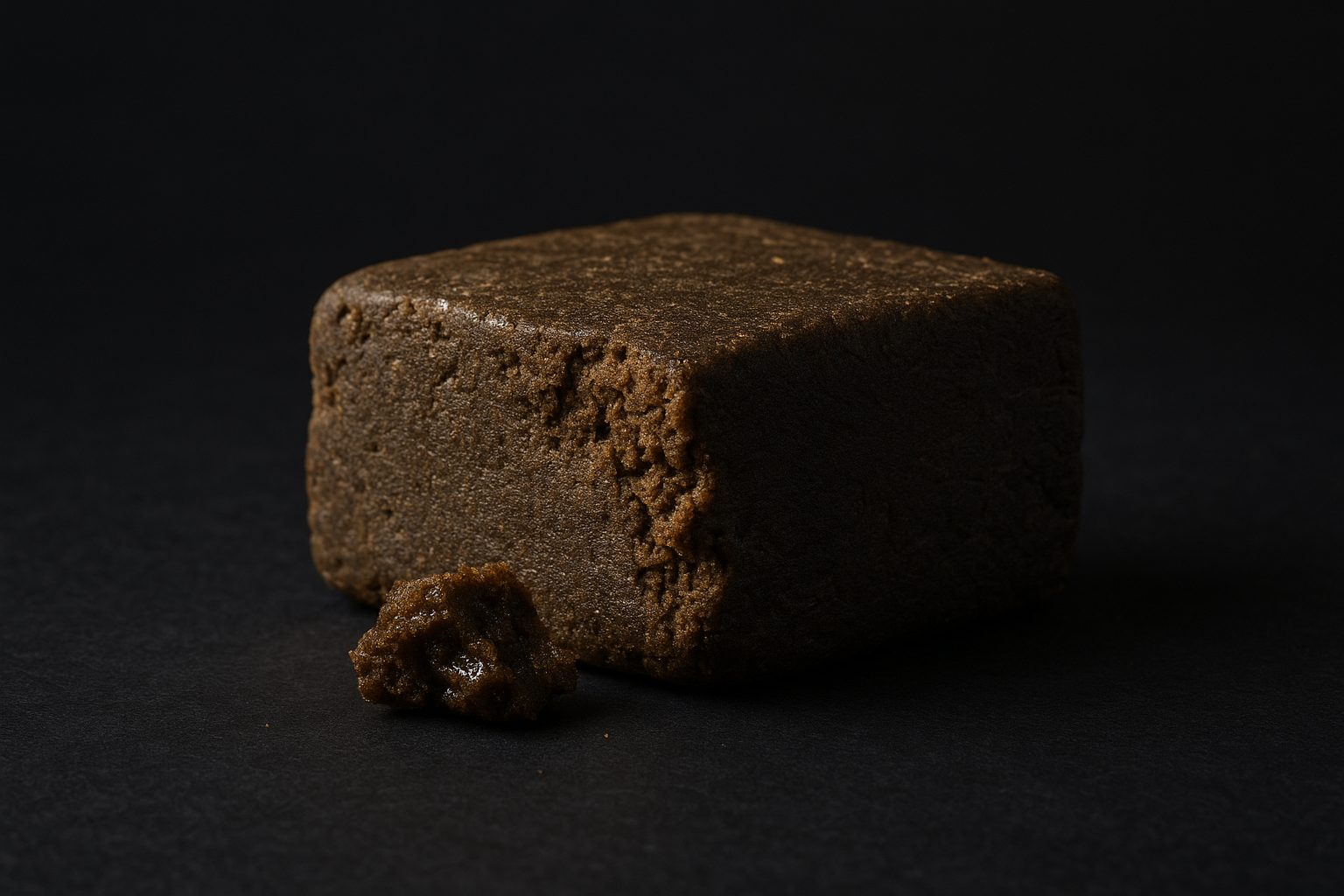
Guides, processes and new resins, straight to your inbox. No spam, unsubscribe in one click.